Alto Regular Embroidery Font
First Impression: Clean, Confident, and Quietly Premium
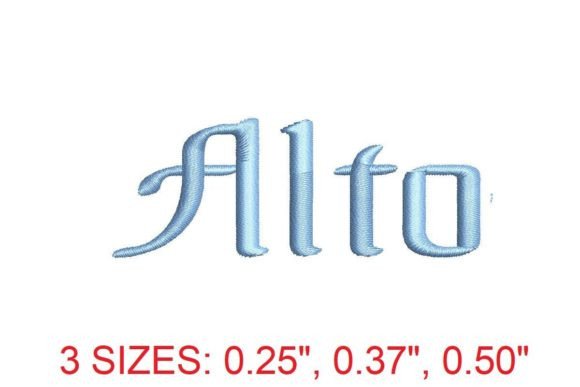
As an embroidery designer who’s stitched over 300 craft fair booths—from Portland bazaars to Nashville maker markets—I opened Alto Regular Embroidery Font expecting another “safe” script. Instead, I got something refreshingly grounded: a clean, upright sans-serif with subtle stroke variation and generous letter spacing. It’s not playful or whimsical. It’s not rustic or distressed. Alto Regular reads as elegant, modern, and quietly premium—the kind of font that makes a simple tea towel feel like a boutique find and turns a plain canvas tote into a statement piece. For Back To School season, that calm authority works beautifully: think “Ms. Chen’s Homeroom” on a teacher’s apron or “Lab Notes” embroidered on a student’s fabric pouch—not cutesy, but thoughtful, mature, and effortlessly handmade.
Where It Shines in Real Craft Fair Products
At the booth, attention lasts 2.7 seconds. Alto Regular Embroidery Font earns those seconds by being instantly legible—even at arm’s length. On tote bag designs, it anchors the front panel without shouting. On apron embroidery, centered above the pocket, it adds polish without fuss. For tea towel embroidery, its open counters and consistent weight hold up against kitchen steam, flour dust, and repeated washing. As an embroidered patch, Alto Regular scales down cleanly to 2.5 inches wide—no collapsed stems or fused letters. And on curved surfaces like caps, its even rhythm and moderate height reduce distortion when digitized well.
It also excels where subtlety sells: pillow covers for minimalist nurseries, small pouches for stationery or cosmetics, and market bags aimed at eco-conscious professionals. Unlike ornate fonts that compete with fabric texture, Alto Regular respects the material—letting linen, cotton duck, or brushed twill speak alongside it. That harmony boosts perceived handmade quality and supports brand consistency across your line.
What Makes It Booth-Strong and Etsy-Ready
Alto Regular Embroidery Font is inherently photograph-friendly. Its crisp edges render sharply in natural light—critical for printable mockups and Etsy listings. No fuzzy outlines, no stitch bleed that muddies thumbnails. When styled with neutral thread colors (heather gray, oatmeal, deep navy) on natural fabrics, it delivers that coveted “effortless luxury” aesthetic buyers scroll past generic scripts to find.
For batch production? It’s highly repeatable. Letterforms are consistent, spacing is logical, and the stitch density feels balanced—not so sparse it looks cheap, not so dense it gums up lightweight cotton. That means fewer re-hooping delays, smoother transitions between hoop sizes, and predictable stabilizer use. As a digital embroidery file, it behaves reliably across machines—no unexpected jumps or under-stitching gaps that haunt late-night production runs before a fair.
Careful-Use Notes Every Designer Should Check
- Dense stitch areas: Avoid stacking multiple lines of Alto Regular too tightly—especially on thick fabrics like denim or canvas. Test letter spacing at 10–12 pt equivalent size before finalizing.
- Tiny details: While elegant, the font isn’t built for sub-1/4" heights. Below 0.75", terminals may blur on textured towels or looped terry. Reserve it for medium-to-large applications.
- Curved cap surfaces: Digitize with gentle curve compensation. Standard cap files often flatten Alto Regular’s vertical clarity—request or adjust for crown contour.
- Dark fabric + light thread: Its clean lines pop—but only if contrast is strong. Avoid off-white thread on charcoal; go ivory or bright white instead.
- Fabric texture matters: On heavily napped or slubbed fabrics, test stitch tension first. Too much pull distorts the even rhythm Alto Regular depends on.
How It Lifts Your Entire Product Line
Alto Regular Embroidery Font doesn’t just sit on a product—it elevates context. A child’s backpack with “Maya’s Art Kit” in Alto Regular reads intentional, not mass-produced. A ceramicist’s gift set with matching tea towel and pouch gains cohesion. At the booth, it strengthens booth display strength: one well-embroidered sample—say, a linen apron with “Studio Hours” in Alto Regular—becomes a visual anchor that draws customers in and signals craftsmanship before you say a word.
That quiet confidence translates directly to buyer engagement. Customers linger longer, ask about thread sourcing, and remember your brand. For Etsy sellers and small shop products, that memorability cuts through algorithm noise. And because it bridges school-year practicality (“Math Lab” on a notebook sleeve) and year-round appeal (“Good Morning” on a pillow), it extends shelf life beyond the Back To School rush.
Practical Embroidery Designer Notes Before You Stitch
- Always test the design on scrap fabric—same type, same color, same stabilizer you’ll use for the finished product.
- Check thread contrast in both daylight and booth lighting. What reads bold in your studio may fade under tent lights.
- Review spacing between words and lines—Alto Regular’s elegance collapses if kerning is ignored.
- Confirm your hoop size fits the largest layout you plan (e.g., full-name tote bag). Don’t stretch the design to fit.
- Inspect stitch density in tight curves or serifs—some versions may over-stitch corners. Adjust if needed.
- Match your stabilizer to fabric weight and stitch count. Medium cutaway works best for most craft fair product applications.
- Create at least one real mockup—not digital. See how it drapes, wears, and photographs IRL.
- Compare results across fabric colors. A design that sings on oatmeal may whisper on slate.
- Verify commercial licensing before selling any commercial embroidery or handmade product using this machine embroidery design.
Final Thought: A Font That Sells Without Trying
Alto Regular Embroidery Font won’t dominate your booth with glitter or novelty—but it will convert browsers into buyers through clarity, consistency, and quiet confidence. It’s the kind of design asset that makes your small shop product feel curated, your digital embroidery file feel professional, and your craft fair product feel worth the price tag. In a market flooded with frantic trends, Alto Regular is the steady hand—and that’s exactly what sells on Saturday afternoon.