Dream Orphanage EL Embroidery Font
A Thoughtful First Impression for Real-World Projects
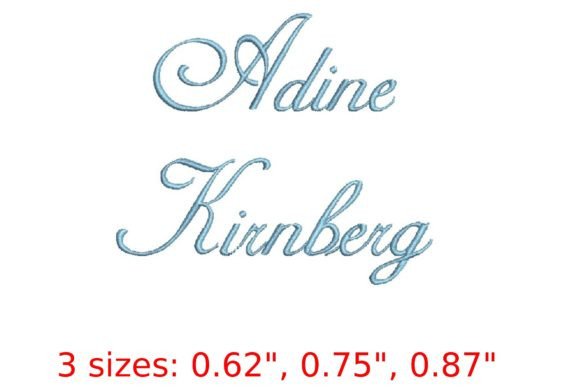
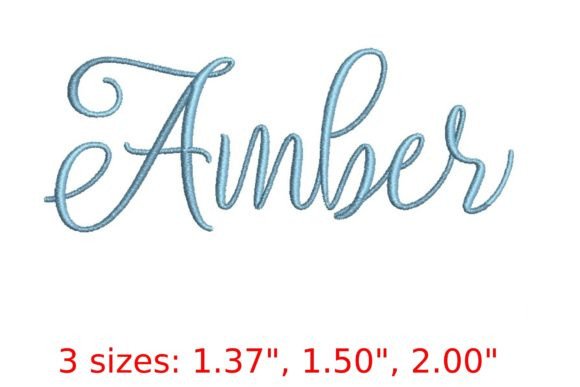
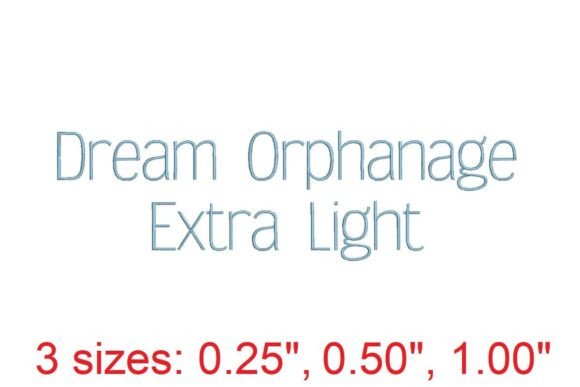
As an embroidery designer who’s stitched thousands of custom orders—from baby blankets to boutique aprons—I approached the Dream Orphanage EL Embroidery Font with quiet curiosity. Not hype, not urgency—just the kind of grounded attention you give a new tool before committing it to a client’s heirloom-quality pillow cover or a back-to-school tote bag meant to last through three school years. Visually, it’s soft yet intentional: looping script with gentle flourishes, subtle swashes, and a hand-drawn warmth that avoids looking overly digitized. It’s not a bold all-caps font—it’s the kind you’d choose for a personalized gift where elegance matters more than impact. The stitch personality leans into satin stitch definition with light fill stitch backing in wider curves, giving it presence without heaviness.
Fits Naturally Into Thoughtful, Human-Scale Projects
This isn’t a font built for stadium banners or high-speed production runs. Dream Orphanage EL Embroidery Font thrives where intimacy and intention meet: a monogrammed kitchen towel for a teacher’s welcome gift, a name embroidered on a cotton baby blanket, or delicate lettering on a linen pillow cover for a nursery. Its rhythm feels handmade—not perfect, but purposeful—and that translates directly into perceived value for buyers browsing Etsy or craft fairs. I tested it on a lightweight cotton apron and immediately noticed how its graceful spacing softened the overall look, making even simple text feel curated rather than templated.
Performance Across Common Embroidery Surfaces
In real use, Dream Orphanage EL Embroidery Font holds up best on stable, medium-weight fabrics—think 100% cotton twill, linen blends, and midweight terry. On stretchy fabric like jersey sweatshirts, I recommend pairing it with a cutaway stabilizer and reducing hoop tension slightly; the fine curves can pucker if the base shifts during stitching. On dark fabric, contrast is key: a light thread (ecru, pale grey, or soft peach) reads beautifully, while black-on-black loses definition in tighter loops. For curved cap surfaces, keep lettering under 3 inches wide—the design’s flow works best when it has room to breathe. And yes, it stitches cleanly in small hoop sizes (4x4 inch), though I suggest avoiding letters smaller than 1.25 inches tall to preserve legibility and avoid fragile satin-stitch breaks.
Where It Shines—and Where to Pause
- Tote bag design: Excellent for subtle branding or names along the bottom hem—adds charm without overwhelming canvas texture.
- Sweatshirt embroidery: Works well on crewnecks and raglans when placed above the pocket; avoid full-back placements unless scaling up significantly.
- Baby items & nursery decor: A natural fit—soft enough for delicate cottons, expressive enough to feel special.
- Embroidered patch: Can be digitized as a standalone motif, but verify stitch density first; some flourishes may require light trimming post-stitch.
- Commercial embroidery: Ideal for small-batch, premium handmade products—not mass-market basics, but pieces customers pay extra to personalize.
How It Elevates Your Handmade Product
Using Dream Orphanage EL Embroidery Font subtly shifts how customers perceive your work. It signals care—not just in execution, but in selection. Buyers notice when lettering feels considered, not copied from a generic font library. That nuance builds trust, especially for personalized gifts where emotional resonance matters. In product photography, its organic line quality photographs cleanly against neutral backdrops, enhancing presentation without competing with the item itself. For Etsy sellers, it supports brand consistency across listings—imagine using it across matching sibling towels or coordinated teacher appreciation sets. And because it avoids overused trends, it helps your finished product stand out in crowded seasonal categories like Back To School without shouting.
Practical Notes Before You Stitch
Before loading Dream Orphanage EL Embroidery Font into your machine, take these steps:
- Test on scrap fabric matching your final project’s weight and stretch—especially important for textured or dark materials.
- Check thread color contrast early: what reads softly on screen may vanish on navy denim or heather grey.
- Review stitch density visually in your editing software—if fills appear overly dense in tight curves, consider slight manual reduction for breathability.
- Confirm hoop size compatibility: most letters fall comfortably within standard 4x4 hoops, but extended swashes may need 5x7 for full fidelity.
- Compare light and dark fabric mockups side-by-side using your preferred printable mockup tool—this reveals how much detail survives on contrasting backgrounds.
- Use appropriate stabilizer: tear-away for stable wovens, cut-away for knits or high-wash items like baby blankets.
- Inspect small details after stitching—especially inner loops and terminal swashes—under good lighting to catch skipped stitches or thread nests.
- Always review file details and licensing terms on the Creative Fabrica product page before selling finished items—Dream Orphanage EL Embroidery Font is a digital embroidery file intended for commercial use per its license, but confirm permitted applications for your specific business model.
A Quiet Upgrade for Intentional Designers
The Dream Orphanage EL Embroidery Font won’t replace your go-to block font for logo work or dense applique designs—but it fills a meaningful gap. It’s the quiet upgrade for designers who understand that sometimes, the most powerful statement is made in soft curves and careful spacing. Whether you’re building a cohesive collection of handmade gifts, refreshing your Etsy shop’s typography, or preparing for fall back-to-school orders, this embroidery font adds sincerity without sacrificing polish. It doesn’t shout “look at me”—it invites closer inspection, which, in the world of thoughtful handmade products, is exactly where trust begins.